Pigmentation & Melasma
“Pigmentation” is an umbrella, not one condition. The first job is working out what’s actually on your skin, then building a plan around it.
What We Can Help

Sunspots & Lentigines
Flat brown patches on sun-exposed skin from cumulative UV.

Melasma
Symmetrical, hormone-linked patches on cheeks, forehead or upper lip.

Post-Inflammatory Hyperpigmentation (PIH)
Brown or grey marks left after acne, irritation or a procedure.

Hori's Naevus
Bluish-grey dermal pigment, often across both cheeks. Needs staged treatment.
The Measured Approach to Pigment
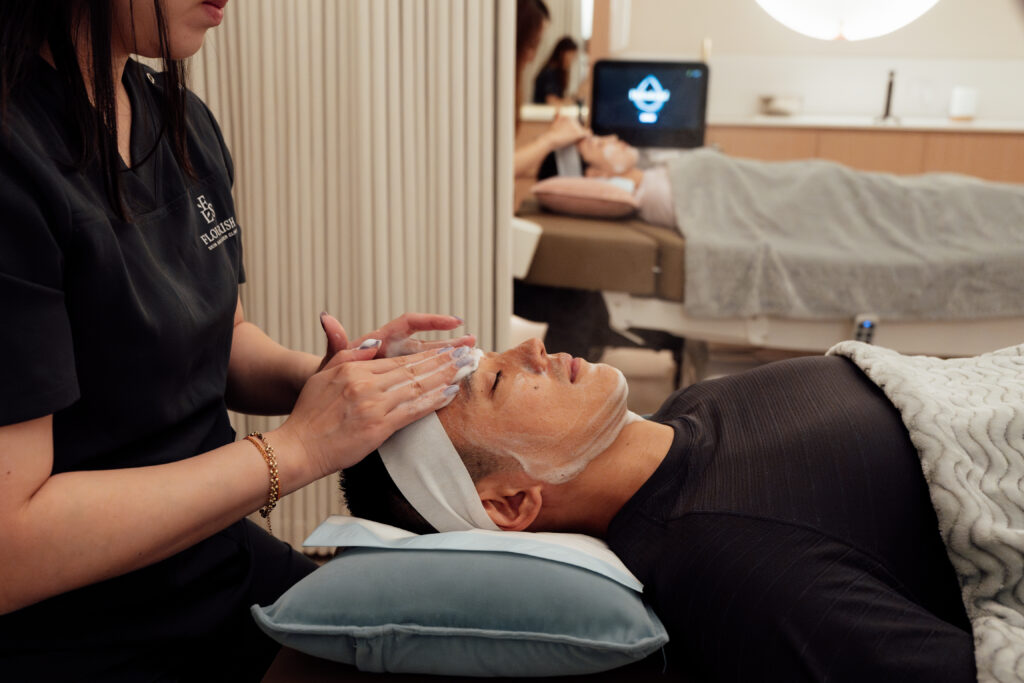
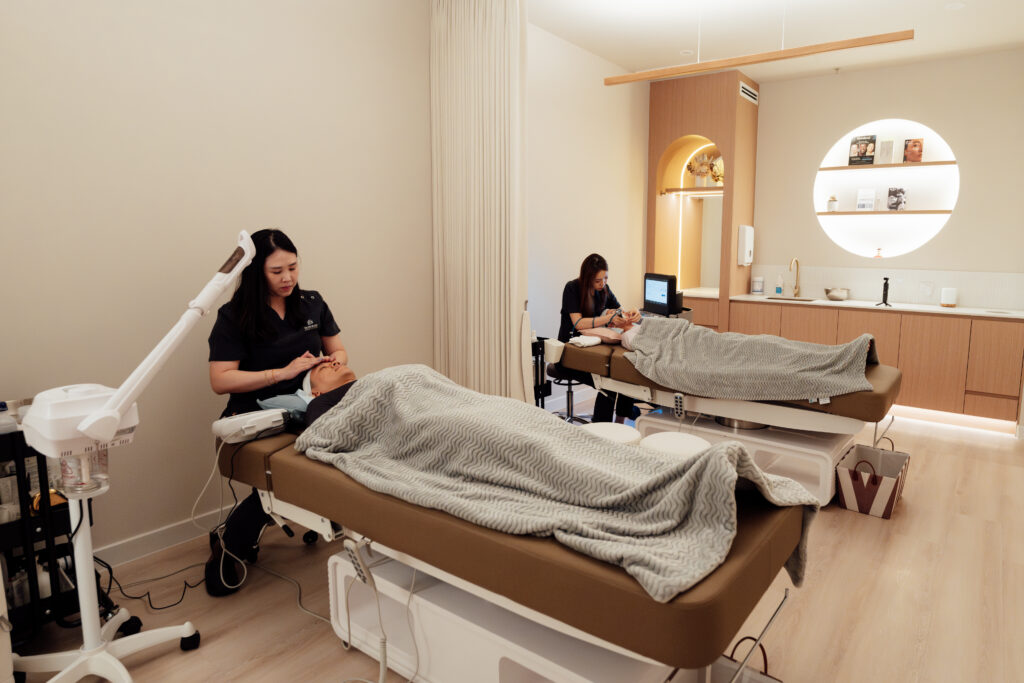
Pigmentation rarely has one cause, and the wrong treatment for the wrong pigment can make things worse. At Flourish Skin & Laser Clinic, our Registered Nurses identify what’s actually driving the colour (UV, hormones, inflammation, depth in the skin), then sequence Pico laser, peels and LDM Noblesse to suit your skin type and the condition in front of us.
Why Our Pigmentation Results Are Different
Diagnosis Before Device
Sunspots, PIH, melasma and dermal pigment respond differently. We map yours at consultation, not from a price list.
Skin-Type-Aware Settings
Deeper Fitzpatrick skin gets conservative settings, longer intervals, and topical priming where appropriate.
Honest On Melasma
Melasma is a chronic, relapsing condition. We frame treatment as management and maintenance, not cure.
FAQ
What's the difference between sunspots, freckles, PIH and melasma, and how do I know which I have?
Sunspots are flat, well-defined patches on sun-exposed skin, usually later in life. Freckles are smaller, lighter and genetic; they come and go with the seasons. PIH is the mark left behind after a breakout or irritation. Melasma is symmetrical, blotchy, hormone-linked, and often sits across cheeks, forehead or upper lip. It’s common to have more than one type at once, which is why the consultation is where we map them.
Can pigmentation be completely removed?
No responsible clinic will promise that. Treatments at Flourish are designed to help improve the appearance of pigmentation and support a more even skin tone over time, with daily SPF and, where relevant, topical support. Individual results vary, and some pigmentation types (particularly melasma) can recur.
Is Pico laser suitable for darker skin tones?
Pico can be appropriate for higher Fitzpatrick types because 1064 nm wavelengths bypass much of the epidermal melanin, but that doesn’t mean universal safety. Settings are conservative, intervals are longer, and a topical priming period is often recommended before treatment. Suitability is assessed at consultation, and we use test spots where appropriate.
Why does melasma keep coming back?
Because it’s a chronic, relapsing condition driven by hormones, UV, visible light and heat, not a “spot” that can be removed once. Treatment is designed to help improve appearance and maintain it. A pregnancy, a hormonal shift, a holiday without SPF, or regular sauna use can reactivate it. Daily SPF 50+ and a sensible topical regimen are part of the long-term picture.
Can I have laser pigmentation treatment if I'm pregnant or breastfeeding?
We generally don’t treat pigmentation with laser during pregnancy. Melasma that appears in pregnancy often shifts on its own postpartum, and strict SPF plus a pregnancy-safe topical routine is usually the right approach in the interim. Enzyme facials can be an option; your clinician will confirm at consultation.
How many sessions will I need?
It depends on the type of pigmentation, the depth, and your skin type. A few sunspots might need one to three Pico sessions. Melasma is typically a longer course of low-fluence toning, supported by topicals and SPF. Your clinician will give you a specific plan at consultation, and we’d rather be realistic than optimistic.
Do I really need SPF 50+ every day, even in winter?
Yes. UV in Brisbane is measurable year-round, visible light and heat also drive melasma, and treatment results regress without daily SPF. This is the single most important thing you can do for your skin between appointments.
I had IPL elsewhere and my melasma got worse. Is Pico different?
IPL is generally unsuitable for melasma and higher Fitzpatrick types, and it can worsen both. Low-fluence 1064 nm Pico toning is a different approach: conservative settings, more targeted, and specifically designed for melasma-prone skin. We’d still want to assess your skin in consultation before recommending it, and your first step may be calming the skin before any laser is considered.
Ready to Map Your Pigmentation?
Every plan starts with a professional assessment. Our Registered Nurses look at your skin in good light, identify what's driving the pigment, and sequence the right next step at our Sunnybank or Sunnybank clinic.
Book Your Free Pigmentation Analysis