SUN DAMAGE & SUNSPOTS: LIVING IN BRISBANE, LOOKING AFTER YOUR SKIN
Brown spots, crepey texture, broken capillaries, dull tone. Brisbane UV stacks up year-round, and most sun damage is a mix of concerns sitting at different depths.


What We Can Help

Sunspots & Solar Lentigines
Flat brown patches on cheeks, chest and the backs of hands.

Photoaged Texture
Crepey surface, enlarged pores and early fine lines from cumulative UV.

Broken Capillaries & Redness
Diffuse redness and fine vessels often left by long-term sun exposure.

Dull, Uneven Tone
Sallow cast and background dyschromia that sits across the whole face.
The Staged Approach to Sun Damage
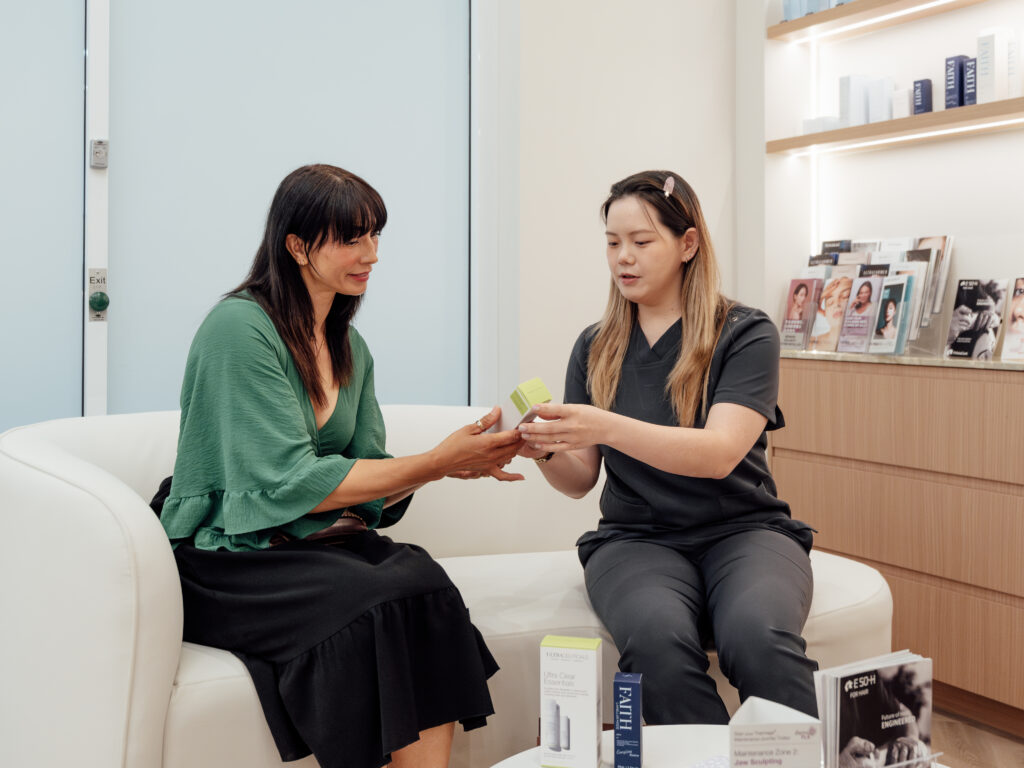
Sun damage is a stack, not a single target. At Flourish Skin & Laser Clinic, our Registered Nurses identify whether your concern sits in the pigment, the texture, the vessels or all three, then sequence the treatments designed to help (Pico, IPL, fractional resurfacing, skin needling, peels) alongside daily SPF 50+ that protects the work between sessions.
Why Our Sun Damage Results Are Different
Mapped By Concern Type
Pigment, texture and vessels respond to different devices. We map your specific mix at consultation, not in a sales pitch.
Skin Cancer Comes First
Anything resembling actinic keratosis or a changing lesion is referred to your GP or dermatologist before any cosmetic work begins.
SPF Built In
Daily broad-spectrum SPF 50+ is part of every plan. Results regress without it, and we say so upfront.
FAQ
What's the difference between sunspots, melasma and freckles?
Sunspots are flat, well-defined brown patches in sun-exposed areas, driven by cumulative UV. Freckles are smaller, lighter and genetic; they come and go with the seasons. Melasma is symmetrical, blotchy, hormone-linked pigment that sits deeper in the skin and follows a different treatment path. It’s common to have more than one type at once, which is why we map them at consultation.
Can sunspots be completely removed?
No responsible clinic will promise that. Treatments at Flourish are designed to help improve the appearance of sunspots and support a more even skin tone, with daily SPF and, where relevant, topical support. Individual results vary. New sunspots can appear over time with ongoing UV exposure, which is why SPF and maintenance are part of the conversation.
I live in Brisbane. Do I really need SPF 50+ every day, even in winter?
Yes. UV in Brisbane is measurable year-round, visible light also contributes to pigment concerns, and in-clinic results regress without daily SPF. It’s the single most important thing you can do for your skin between appointments.
I have a mole that's changed colour. Should I come to Flourish?
No, please see your GP or a dermatologist first. A changing mole, or a non-healing or bleeding spot, needs medical review before any cosmetic consultation. We’re a cosmetic clinic, not a diagnostic one, and sun damage treatment follows skin checks rather than replacing them.
What's the difference between Pico laser and fractional resurfacing for sun damage?
They target different parts of the problem. Pico laser is designed for the pigment side, fragmenting sunspots and background unevenness so the body can clear them. Fractional resurfacing is designed for the texture side, the crepey surface, enlarged pores and photoageing that sit in the dermis, by stimulating collagen remodelling. Many clients need a sequenced course that uses both.
Is this suitable for darker skin tones?
Deeper skin tones aren’t off-limits, but protocols change. Settings are more conservative, intervals longer, and a period of topical priming is often recommended, because the same energy that clears pigment in lighter skin can trigger new pigmentation in deeper skin if the protocol is too aggressive. Suitability is always assessed one-on-one. We don’t make universal-safety claims about any device across every skin type.
How many sessions will I need?
It depends on the type of sun damage, its depth, your skin type, and what SPF and topicals have already done. A handful of sunspots might need 1 to 3 Pico or IPL sessions. A photoageing texture plan is usually a longer course of resurfacing or needling, supported by peels and LDM between. Your clinician will give you a specific plan at consultation.
Will I need to stay out of the sun during treatment?
You’ll need to avoid active tanning and be rigorous with SPF 50+, hats and shade. A fresh tan or recent significant sun exposure means we defer treatment for a few weeks, because treating sun-primed skin carries a real risk of burns and post-inflammatory pigmentation.
Ready to Address Your Sun Damage?
Every plan starts with a professional assessment. Our Registered Nurses look at your skin in good light, identify the pigment, texture and vascular concerns separately, and map a realistic sequence with pricing published.
Book Your Free Consultation