Redness & Rosacea
Persistent flushing, fine vessels and rosacea-related redness rarely settle on their own. We work alongside your GP to reduce the visible vascular component.


What We Can Help

Diffuse Flushing & Erythema
Background pinkness across the cheeks, nose and chin without one visible vessel.

Broken Capillaries
Thread-like surface vessels across the nostrils, cheeks and chin.

Rosacea-Related Redness
The vascular and erythematous symptoms of diagnosed rosacea, alongside GP care.

Post-Inflammatory Erythema
Flat pink or red marks left behind after a pimple has cleared.

The Considered Approach to Vascular Redness
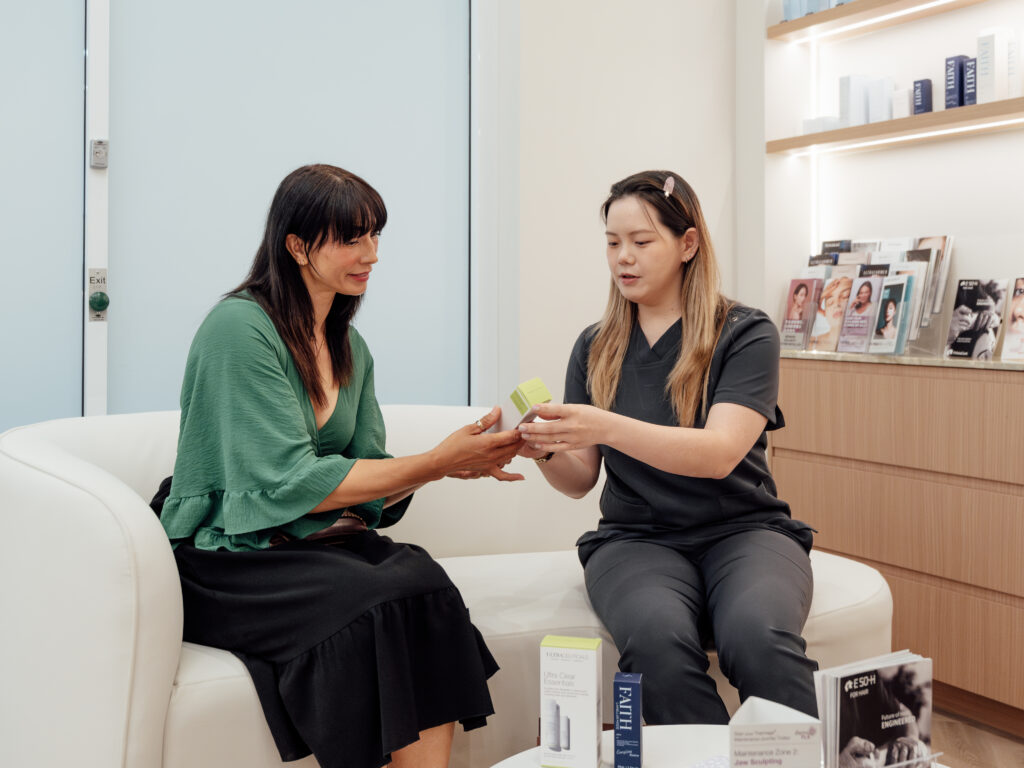
Redness is rarely one thing, and rosacea is a chronic medical condition that belongs with your GP or dermatologist. At Flourish Skin & Laser Clinic, our Registered Nurses focus on the visible vascular component (IPL Vascular as the core modality, with LDM Noblesse and barrier-supportive facials as adjuncts), working alongside any prescription care rather than instead of it.
Why Our Redness Results Are Different
Vascular-Targeted IPL
Our IPL Vascular uses a filter that preferentially targets haemoglobin in the small vessels driving visible redness. Listed on the ARTG.
Alongside Your GP
If rosacea is suspected, we ask you to see your GP first. We then support the vascular side, not replace prescription care.
Conservative on Reactive Skin
Sensitive and rosacea-prone skin runs through every plan, so we stay gentle with peels, facials and only light-setting needling where suitable.

FAQ
What is the difference between general redness, broken capillaries and rosacea?
Diffuse redness is a background flush across the central face without a single visible vessel. Broken capillaries (telangiectasia) are thread-like vessels you can see on the surface, often across the nostrils and cheeks. Rosacea is a chronic medical condition that can include both, plus flushing, papules and pustules depending on subtype. Diagnosis of rosacea belongs with your GP or dermatologist.
Does Flourish treat rosacea?
We treat the vascular and redness symptoms that sit on top of rosacea. We do not diagnose rosacea and we do not provide Schedule 4 prescription treatments (such as topical ivermectin or oral antibiotics). If rosacea is suspected, we ask you to see your GP or dermatologist first, and then we work alongside their plan.
How many IPL Vascular sessions will I need?
Most plans run 3 to 5 sessions for visible redness and broken capillaries, and 5 to 7 for moderate rosacea-associated redness. Sessions are usually spaced 3 to 6 weeks apart. Maintenance every 6 to 12 months is common because new vessels can form over time. Individual results vary.
Will IPL work on my skin tone?
Vascular IPL is generally considered for Fitzpatrick I to III, and can be managed carefully on IV with conservative settings. For Fitzpatrick V to VI, IPL is usually not recommended for vascular work, and a different modality or specialist referral is the safer path. Suitability is assessed at your consultation.
What triggers should I be aware of between treatments?
The usual suspects are UV exposure, heat (saunas, hot showers, hot yoga), alcohol, spicy food, stress and aggressive topical actives (high-strength retinoids, strong acids). Identifying your individual triggers and managing them consistently has a real effect on how long results hold and how often flushes return.
Can I keep using my actives?
Most rosacea-prone plans involve simplifying your routine rather than layering more on. Gentle cleansers, barrier-supportive moisturisers and daily SPF 50+ are the core. Retinoids and strong acids are often paused or scaled back. Your clinician will map a routine that suits your plan.
Is there downtime after IPL Vascular?
Mild redness and warmth, resembling a light sunburn, for a few hours to 24 hours. Small treated vessels can briefly appear darker before fading over 1 to 2 weeks, which is a normal response. Sun avoidance and SPF 50+ are non-negotiable afterwards, especially in Brisbane.
What about LDM Noblesse on its own?
LDM Noblesse is a gentle, low-downtime option designed to support barrier calm and hydration, and is often chosen as a recovery session between IPL sessions or for clients whose skin is too reactive for more active treatment. Available at Sunnybank only.
Ready to Address Your Redness?
Every plan starts with a professional assessment. Our Registered Nurses look at your skin in good light, map your pattern of redness, and flag honestly when a GP conversation should come first. Sunnybank and Toowong.
Book Your Free Consultation