Dull & Dehydrated Skin
Skin that used to catch the light now looks flat. Dullness and dehydration overlap, but they are not the same, and the right plan depends on which one is leading.


What We Can Help

Surface Dullness
Built-up dead cells and uneven tone scattering light, reading as flat or grey.

Surface Dehydration
A barrier issue. Tightness, fine lines around the eyes, crepey texture.

Dermal Dehydration
A deeper issue. Less bounce, fine lines that topical hydration will not fully smooth.
The Honest Approach to Dull & Dehydrated Skin
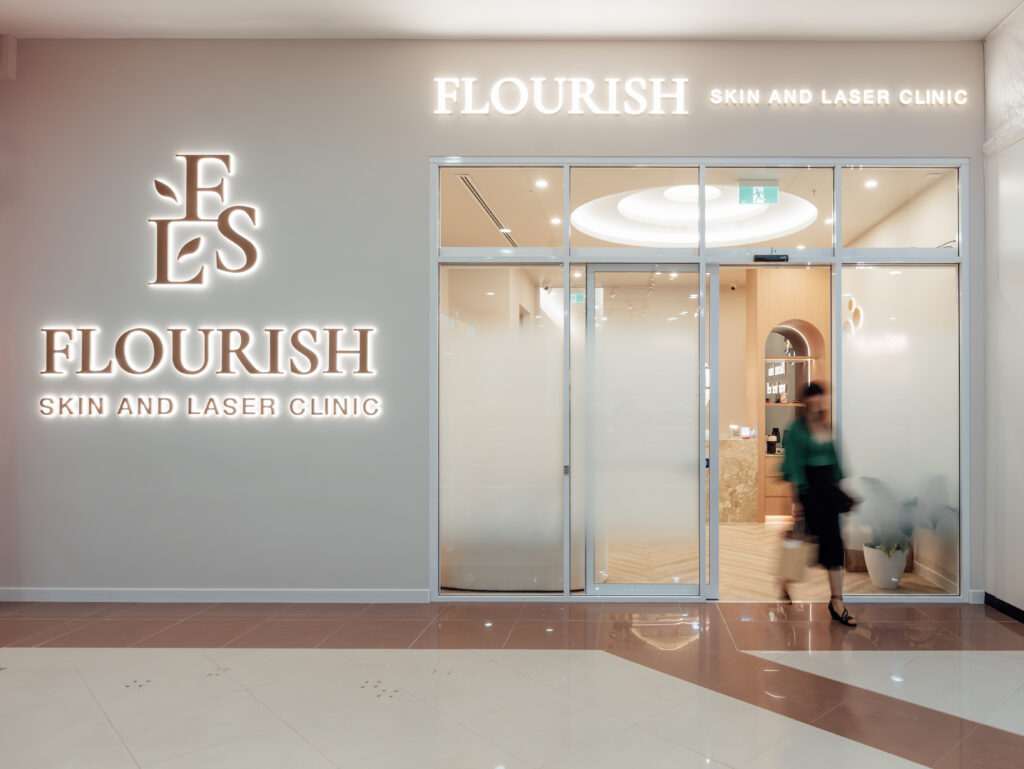
Dull and dehydrated skin is often a home-care issue before it is a clinical one. At Flourish Skin & Laser Clinic, our Registered Nurses separate what consistent basics can address from what genuinely needs an in-clinic treatment, then sequence the lighter, maintenance-tier options designed to support the skin (Hydrafacial, peels and facials, bio-revitalisers, LDM Noblesse) over a realistic rhythm.
Why Our Dull & Dehydrated Skin Results Are Different
Home Care First
Six to twelve weeks of consistent SPF, gentle cleansing and barrier-supportive basics often shifts the skin before in-clinic work is warranted.
Right Layer For The Issue
Surface dullness, barrier dehydration and dermal dehydration sit at different depths. We map yours at consultation, then match the treatment to the layer.
Lighter Plans, Honest Pricing
Maintenance-tier care, sequenced sessions and published pricing. We do not sell pre-paid packages in the room.
FAQ
What's the difference between dull and dehydrated skin?
Dullness is a surface issue, dead cells and uneven texture scattering light. Dehydration is a water-content issue, sitting either at the barrier (where a moisturiser can reach it) or deeper in the dermis. Most people have a bit of both.
Will more water or a better moisturiser fix this?
Often, yes, in part. Consistent hydration, a ceramide moisturiser on damp skin, and daily SPF 50+ will move surface dehydration in six to twelve weeks for most people. What they cannot address is dermal dehydration, which sits below the reach of topicals.
When does home care stop being enough?
If you have been consistent with SPF, gentle cleansing, a ceramide moisturiser, measured actives and adequate sleep for three months and your skin still looks dull or feels persistently dehydrated, that is usually when an in-clinic conversation makes sense.
Which treatment is right for me?
Surface dullness and mild dehydration often respond to Hydrafacial or tailored peels and facials. Dermal dehydration is better addressed by bio-revitaliser treatments, which work inside the skin. Sensitive or reactive skin may do better with LDM Noblesse at our Sunnybank clinic. Your clinician maps the right sequence at consultation.
Is there downtime?
Hydrafacial typically involves zero to twenty-four hours of mild flushing. Peels can involve a few days of mild flaking depending on depth. Bio-revitaliser treatments may show pinpoint bruising or small transient papules for a few days post-session. LDM Noblesse is non-thermal, and most clients resume routine activities soon after, though skin may be briefly sensitive. Specific risks for each treatment are reviewed in clinical consultation.
Will this help fine lines?
Fine dehydration lines usually soften with consistent hydration and barrier repair. Static fine lines are structural and discussed under fine lines and early wrinkles. Skin boosters can support the appearance of skin quality over time. Individual results vary.
How many sessions will I need, and how often?
Surface treatments like Hydrafacial and lighter peels are typically delivered as a short course of two to three sessions two to four weeks apart, then four to six weeks for maintenance. Bio-revitaliser courses are usually three sessions across six to twelve weeks, with maintenance every six to twelve months. LDM Noblesse runs as five to ten sessions weekly or fortnightly.
What does the home-care baseline actually look like?
Daily broad-spectrum SPF 50+, seven to nine hours of sleep, steady hydration, a gentle cleanser morning and night, a ceramide moisturiser on damp skin, a hyaluronic acid serum underneath, and measured use of actives (not every night, not in combination). Most people see a meaningful shift in six to twelve weeks.
Ready for Skin That Catches the Light Again?
Every plan starts with a professional assessment. Our Registered Nurses look at your skin in good light, separate home care from in-clinic work, and map a sensible plan with published pricing.
Book Your Free Consultation