REGENERATIVE SUPPORTING YOUR SKIN'S OWN RENEWAL
Two distinct regenerative options at Flourish — PRP prepared from your own blood, and exosome-based skin recovery support — designed to work with your skin's biology.

TWO OPTIONS, ONE REGENERATIVE PHILOSOPHY
HOW PRP WORKS
PRP — platelet-rich plasma — is prepared from your own blood. A small sample is drawn, spun in a centrifuge to concentrate the platelets, and administered in the same clinical session at the clinic.
Your Own Biology
PRP is prepared from a standard blood draw, in the same clinical session as your treatment, by our Registered Nurses under our treating practitioner’s clinical responsibility. Because the product is from and used on the same patient, it sits under Australia’s autologous practitioner exemption.
Growth Factors Released
When activated, platelets release a defined set of growth factors — including PDGF, TGF-β, VEGF, EGF, IGF-1 and FGF — that signal fibroblasts and other cells involved in your skin’s repair pathways. The aim is biostimulation, not volume.
WHY CHOOSE FLOURISH FOR YOUR REGENERATIVE CARE
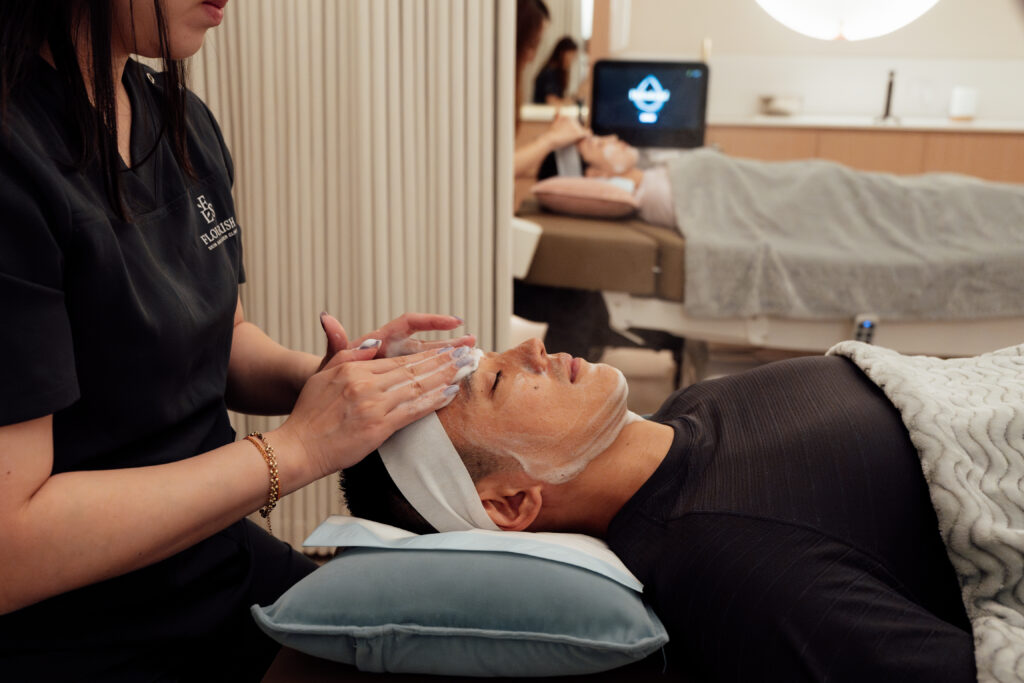
Exosomes are extracellular vesicles — tiny signalling particles, roughly 30–150 nanometres across — studied for their potential to support skin recovery and skin quality. At Flourish, exosomes are used as part of regenerative protocols in consultation with our Registered Nurses.
WHAT REGENERATIVE CARE CAN SUPPORT

Skin Quality
PRP is designed to support skin texture, fine lines and overall skin quality over a course of sessions. Individual results vary.

Under-Eye Area
PRP under the eye is designed to support skin thickness and the appearance of the periorbital area. Individual results vary.

Hair Quality and Density
PRP for the scalp is designed to support hair quality and the appearance of density. Individual results vary.

Skin Recovery Support
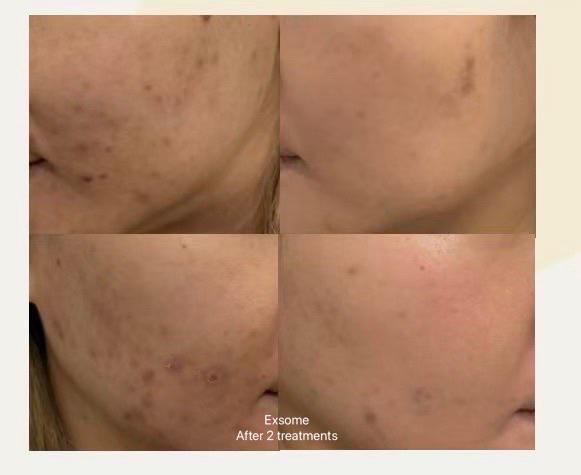
Exosome-based protocols are used as part of regenerative care to support skin recovery and skin quality. Individual results vary
See the Flourish Difference
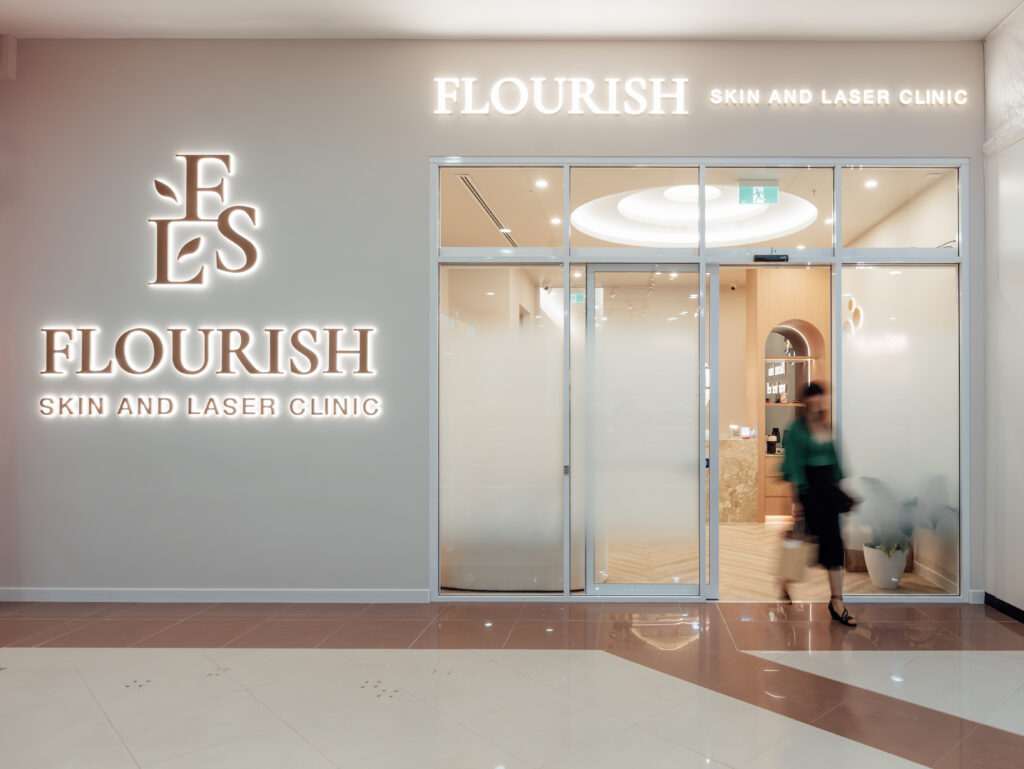
At Flourish Skin & Laser Studio, we believe seeing is believing. Explore our gallery of real client outcomes, achieved through tailored treatment plans and world-class medical technology. These results are a testament to the clinical expertise of our team and our commitment to revealing your best skin.
FAQ
What's the difference between PRP and exosome treatments?
They’re two different things. PRP — platelet-rich plasma — is prepared from your own blood, in the same clinical session, by our Registered Nurses under our treating practitioner’s clinical responsibility. Exosomes are extracellular vesicles — microscopic signalling particles — used at Flourish as part of regenerative protocols in consultation with our Registered Nurses. The two sit in different regulatory categories in Australia and work through different mechanisms. Your consultation will cover which, if either, is appropriate for you.
Is PRP "TGA-approved" or "ARTG-listed"?
PRP is not an ARTG-listed product. It sits under Australia’s autologous practitioner exemption — because the product is prepared from, and administered to, the same patient in the same clinical session. This is a different regulatory framework from ARTG-listed medical devices or medicines, and a long-established one for autologous treatments of this kind.
Are exosomes "TGA-approved" or "clinically proven"?
No. Exosome products do not hold an ARTG listing for cosmetic use in Australia, and the clinical evidence base — while growing — is limited and heterogeneous. We use deliberately measured language because that reflects the current state of the category. At consultation, we’ll explain what the research currently supports, what it doesn’t, and what the regulatory position is, so you can make an informed decision.
Does PRP hurt? What's the downtime?
Most people describe the blood draw as no different from a standard blood test. Topical numbing is applied before injection. Mild redness, tenderness, small pinpoint marks and occasional bruising can occur at injection sites and typically settle within a few days. Most clients return to normal activities the same day. Individual results vary.
How many PRP sessions will I need?
For skin, a typical initial course is 3 sessions spaced 4–6 weeks apart. For hair, a typical course is 3–4 sessions spaced 4 weeks apart. The right number, and whether PRP is appropriate for you at all, is decided at consultation. Maintenance is usually discussed after the initial course is complete.
Can PRP treat hair loss?
PRP for the scalp is used cosmetically to support hair quality and density in adults experiencing thinning. It is not a cure or medical treatment for alopecia as a disease. Clinical outcomes are variable, and individual results vary. At consultation we’ll assess whether PRP is suitable for your hair-density goals alongside other options.
Who can't have PRP?
PRP is not suitable during pregnancy or breastfeeding, for anyone with a platelet or clotting disorder, active blood-borne infection, active cancer, or known hypersensitivity to components used in the preparation kit. Anticoagulant therapy, recent isotretinoin use, and some autoimmune conditions require case-by-case review. Please raise your full medical history and medications at consultation.
Who performs PRP and exosome treatments?
PRP and exosome-based care at Flourish are performed by our Registered Nurses. For PRP, our treating practitioner retains clinical responsibility for the course of treatment, consistent with the autologous practitioner exemption. Consultations are free and there is no pressure to proceed on the day.
READY WHEN YOU ARE
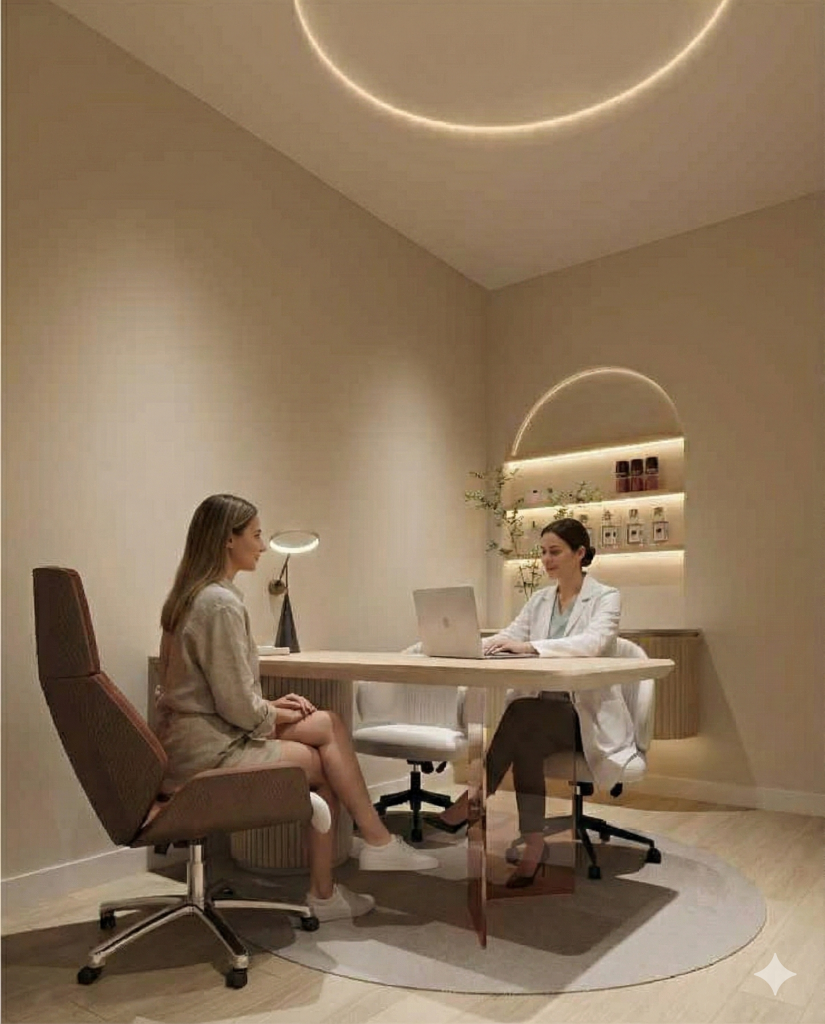
Book your free 15-minute consultation at Sunnybank or Toowong. We'll walk through PRP, exosome and other options — with no pressure to proceed.
Book Your Consultation